Showing posts with label hydration. Show all posts

Sunday, January 25, 2015

Nutrition for Athletes

Yesterday I had an amazing opportunity! I got to speak at a UPMC Sports Medicine Marathon seminar for the DICK'S Sporting Goods Pittsburgh Marathon. The other presenters included Leslie Bonci and Dave Spell. Leslie is the director of Sports Nutrition at the UPMC Center for Sports Medicine and she also consults with Steelers, Penguins, Pirates, and the Pittsburgh Ballet. Given her amazing credentials and fun personality I paid strict attention to her presentation so I could share the wealth with all of you!

Leslie brought lots of foods for everyone to see

Of course, the first thing every marathon runner or endurance athlete is concerned with is hydration! Leslie explained that the newest research shows 70 ounces of water per day is the baseline for women. Men need 90 ounces minimum. What I found most interesting is that everything you drink (that isn't alcohol) counts towards your baseline! That doesn't mean you can just drink Pepsi or apple juice all day and be okay but even soups and foods high in water content can count towards that minimum intake. Just be sure you add enough water or sports drink to make up for your exercise habits too!

And what about that morning coffee? Or your afternoon energy drink? Maybe you take caffeinated gels prior to or during a run. The maximum amount of caffeine you should ingest per day is only 400mg! Leslie showed us a couple popular products, like Red Bull and 5 Hour Energy shots, and demonstrated just how quickly caffeine adds up. So be sure you're not hurting your body or performance by overdosing on caffeine every day!

Athletes also tend to be concerned about macro nutrients and how to balance their protein, carbohydrate, and fat intake for optimal performance. I learned that it's very personal and usually requires a consult to figure out percentages but there are guidelines that can help. Protein should consist of 0.5-0.8 grams per pound of body weight and be spread evenly throughout the day. Eating an eight egg omelet in the morning and little protein after is not optimal and will lead to muscle loss. So spread it out in little bits through each meal! Carbohydrate intake needs are around 3g per pound of body weight. Leslie also mentioned that fat intake should never be less than 20% of your diet. So no more counting every little bit as long as you hit your minimums!


Leslie also talked a little bit about the hottest trends in the diet industry lately. Gluten free anyone? You will have lower amounts of prebiotics in your digestive tract and it will be hard to hit your fiber intake minimums. Considering 70% of your immune system lives in your digestive tract this is a BIG deal. Try adding Chia seeds for fiber and Omega 3 fatty acids (keep them in the freezer to keep them from spoiling). Eating yogurt with live active cultures or kefir can help too. If you don't want to eat dairy then try taking a daily supplement.

How about coconut oil? Well it's primarily a saturated fat (read, not so great) and it does NOT help you shed body fat or lower your risk of disease. Instead use olive oil and save the coconut for your skin and hair care! Walnuts will replace that unhealthy fat too. A golf ball size serving is the way to go.

Running and other sports result in lots of aches, pains, and inflammation. Instead of popping an NSAID or pain killer you can try tart cherry juice for a natural anti-inflammatory. Drink 8 ounces of juice or a serving of the concentrate after your next run. Ginger can minimize delayed onset muscle soreness (500mg is about right). Turmeric is a tasty spice that also works as an anti-inflammatory and may help prevent Alzheimer's. Try putting 2/5 of a teaspoon in your next dish. Dried plums contain Boron which is necessary for bone health. Eating just 3-4 per day will keep you topped off and also contains those helpful prebiotics!

Finally, who doesn't want to improve their performance? Dietary nitrates can decrease the oxygen expense of an activity. This means you use less oxygen to create the energy to power your workout and tire less quickly. Bodybuilders use supplements like NOXplode but dietary nitrates can be found in some common foods. A spinach and/or arugula salad, for example. Other choices include celery (about two stalks) and beets. And lastly, replace the iron lost with every foot strike using black strap molasses. Just adding a TBSP to your oatmeal or in place of honey in homemade energy bars will do the trick.

So I hope that helps with your nutrition questions! Please feel free to click the link to contact Leslie or follow her on Twitter @LeslieBonci. And look for the next UPMC Sports Medicine seminar coming soon!


Tuesday, July 9, 2013

Sunburn and Sweat: Surviving Summer Running

My coach, Alexa Dickerson, knows all about heat acclimation training and running through the hottest weather. She's running Badwater for the second time this year (that's 135 miles.... through Death Valley.... in JULY if you are out of the loop) and she's also completed the Brazil 135. So I started following her lead last year even before she was my coach officially. Here's what I've learned following her adventures and those of other extreme athletes.

Hydrate, hydrate, hydrate. Everyone knows that being dehydrated increases your body temperature and your risk of heat-related problems. It also reduces your performance so you work harder for the same results. I regularly drink about 2 oz per mile but on hot days that average can exceed 4 oz per mile. However, there's more to it than just good old H2O....

Get salty. Sweat isn't just water. It's salt, potassium, magnesium, and other minerals that are necessary for all sorts of functions in your body. So if you only replace sweat loss with water you could end up dangerously out of balance or with hyponatremia. Experiment with salty foods like chips or pretzels and even supplements like S! caps. Once you learn what you need in different temperatures and environments you can anticipate your bodies needs and avoid potential issues.

Free your inner tortoise. Slow down and work smarter, not harder. Walking uphill may cost you time but cutting your run short or ending up in the hospital will derail all your hard work. Take walk breaks and slow down by 2 minutes (or more) per mile on longer runs. Try to stay in the shade when possible even if it means you look like a drunk swerving from one side of the trail to the other.

Work up to it. You may be scheduled for a 10 mile run but if it's the hottest run so far this year cutting it short may be necessary. Doubles are another option. Run 5 miles in the heat and 5 miles indoors or in the early morning/late evening. Just like when you started running for the first time, there's a way to work up to running in the heat.

Immerse yourself in heat. This is something I got from Alexa's training last year. She gave up air conditioning in her home and car and just let her body learn to deal with the rising temperatures all summer long. I decided to try it and I found that it worked. My sweat rate lessened and I lost fewer electrolytes. My body had become more efficient at staying cool and running on 100*+ pavement no longer felt quite so awful. On the really unbearable days I pack up the kids and head to the pool but the AC is always the last resort. If you're really into heat acclimation then you can go full on Badwater-style and train in a sauna.

Go bare. No, don't run naked. Just keep your head uncovered. Heat rises so allowing your body heat to escape through the top will help you stay cool. The only reason to cover your head would be if you have a bandana or hat that can regularly be refilled with ice or dipped in cold water. Anything dry will just hold sweat, and heat, against your head.

Travel light. Carry everything you need in the lightest form possible. Powders rather than pre-mixed drink solutions, a small flashlight, an iPod nano instead of a larger one, etc. This also goes for clothing. White or light colored technical fabric works best.


Wednesday, January 16, 2013

Focus on Recovery

One thing I'm finding with increasing my mileage is a need to focus on diet and recovery like never before. Every day there's something sore and DOMS is my constant companion. I've been asked if I'm pushing myself to injury. The answer is.... I don't think so. It's more just that my body is adjusting and being pushed beyond the limits I gave it. I felt a lot like this the day after running when I started with the Couch to 5k program in 2008. Now I'm running 5-6 days a week so I feel it every day.

So how do I continue to increase my mileage while running quality sessions a couple times a week? The answer is multifaceted and complex. It's been a mix of hydrating properly, eating a cleaner balanced diet, sleeping more, and seeing professionals for help on the things I can't do myself.

On the hydration and diet note, I'm not an expert. I know what I've learned in school and what I've picked up from many, many books, articles, and studies. What I've found works for me is not counting calories but focusing on eating healthy, natural foods. Lots of salads with some protein on top (diced ham, chicken, or seafood), whole fruits and veggies, and simple recipes without lots of added butters or oils. I've been going through my pinned recipes on Pinterest looking for ones that I can make in a short time with common and simple ingredients. Roasted sweet potatoes, oatmeal berry bake, paleo oatmeal cookies, etc. And then I drink water with every meal and snack but only to thirst. I don't force it. So far, so good. I feel like I'm losing fat and getting more toned but I'm not willing to weigh myself and check. I'll let my performance on my runs dictate whether I've 'improved' or not.

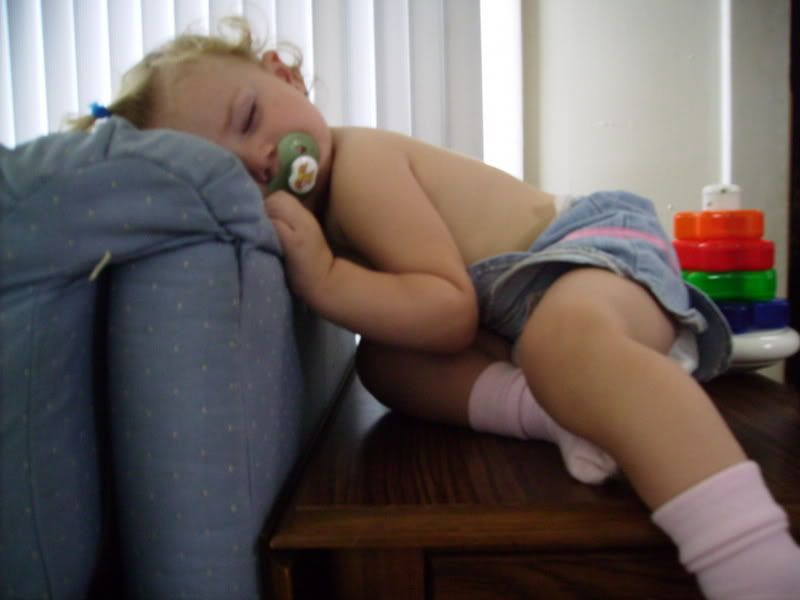
As for sleep, I am a glutton. I would sleep 10+ hours every night if I could. What I've been doing is going to bed as soon as the kids are asleep (not just in bed but actually asleep) which usually equates to 9 or 9:30PM. I don't necessarily fall asleep right away but I get off my feet and relax with a book or magazine until I'm ready to sleep. I also set my alarm for the last minute possible. I'd rather be rushed in the morning than miss another 15 or 20 minutes of sleep. I just need that extra rest lately. I've even taken naps once or twice in the last couple months and I never nap.

I want to be able to sleep any where, any time like my kids!

But the biggest changes in my routine have come from massage, chiropractic adjustments, and Graston treatments. Everyone is familiar with massage even if they've never had one. I had never had a professional massage but I figured it was worth a shot because stretching and foam rolling weren't giving me the results I wanted and needed. My first massage was fairly gentle and the second one was deeper. I honestly didn't mind either way. The first one was more relaxing but the second one really helped with the muscle pain and soreness. I imagine I will request different things from now on as I feel the need arise.

The chiropractor may or may not be familiar to most athletes. Adjusting your spine to create better health can sound a little folksy but it's worked for me. I've been going on and off since my sophomore year of high school when I was diagnosed with rotational scoliosis (not only is my spine curved, it is also twisted). At first I went a few times a week but, as time elapsed and I began to strengthen the muscles, I found I needed fewer adjustments. Once I started running I needed adjustments more often to ward off injury from an uneven gait. Over time I've whittled the number of appointments back down but with heavier training I'm going more often again to be safe.

Graston tools

The Graston technique is the newest weapon in my arsenal against injury. My left knee has been tight since the Marshall University Marathon. It wasn't getting worse and it wasn't getting better. Getting adjusted and a massage helped but it was still there so another runner suggested Graston. I made my first appointment two weeks ago not really knowing what to expect. 

The Graston technique uses the tools above to break up scar tissue and the like in the soft tissues. This promotes blood flow and flexibility and healing. Some people told me it was really painful and some told me it was only mildly irritating. The doctor told me that it seemed to be related to the amount of scar tissue in the area being worked on. So I went ahead and let him try it on my calves and IT bands. Wouldn't you know that the areas that haven't bothered me it actually tickled? I giggled and had to try not to accidentally kick the doctor. I'm sure he thought I was an idiot!

But then he hit the top of my calf muscle near the back of my knee and I almost jumped off the table. The pain was unexpected after the ticklish sensations of the other areas but once I got ahold of myself it only took some deep breathing to make it bearable. The doctor said he could really feel the scar tissue in that area and he grabbed another tool to go a little deeper. It was pretty intense! But at the end of the hour I only felt sore as if I had done a hard work out. Nothing I haven't been walking around with for the last few weeks anyway.

Post-Graston bruises

That night I walked instead of ran to promote blood flow without further damage. There were some rounded bruises in the worst areas but nothing too bad or painful (thankfully it's winter so I can wear long pants!). I ran the next day and my knee was about 75% better. After the second visit I'd say it's 85% better. I have one area of tenderness left and I'm hoping the third visit will (almost) cure it. Based on feeling better and improving on my runs, I would definitely recommend Graston for anyone dealing with soft tissue/muscle pain. 

And that's what I've been up to outside of running! 

What do you do to aid recovery? Have you tried massage, chiropractic, or Graston?